
Insulin is such an important hormone. We literally would die without it. Like any hormone, however, it needs to know its place. Too much insulin over too long a period of the day will set us up for weight gain. Last month we identified an all-too-common reality: weight gain in the form of enlarged fat cells. We saw that at a certain girth, fat cells become insulin resistant and can be a physiologic instigator of excess insulin in the blood. This elevated insulin can promote further weight gain and increased insulin resistance, setting us up for what can feel like an irreversible weight problem.
Tackling insulin resistance can be more effective than calorie reduction for many. What does that look like practically? Thankfully, there are a number of strategies that have been found to improve insulin sensitivity. Weight loss actually tops the list, but if you find yourself caught in the elevated insulin trap, what are some of the more common big players?
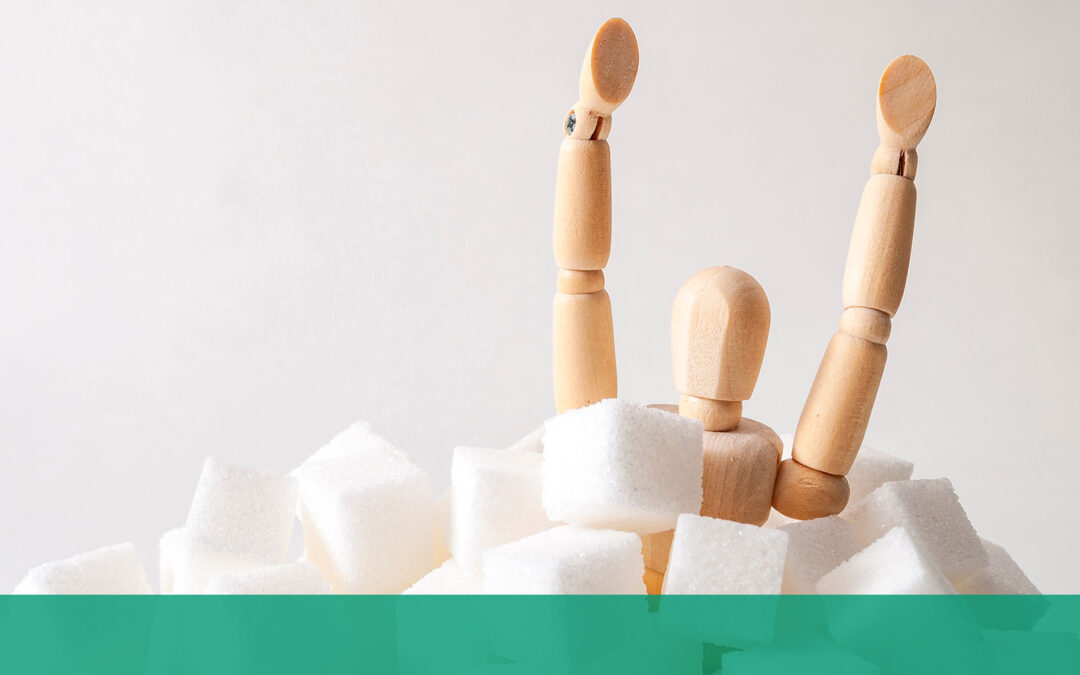
Cut the sugar. The average American adult consumes about 17 teaspoons (or 71 grams) of added sugar per day. This includes obvious sources of sugar such as desserts, sweet drinks, and candy, but can also include hidden sources of sugar found in sauces, dressings, and condiments.
Balance dietary fat. The type of fat we consume makes a difference in terms of how fat affects our insulin sensitivity. Ceramides are a topic we need to discuss more fully at a future time. They are a type of fatty molecule that plays important roles in the structure and performance of cells. However, when excessive amounts build up, they are strongly linked with insulin resistance. Saturated fat has been especially implicated.
Move. Moving your body for weight loss may be less about burning calories and more about heightening insulin sensitivity, especially in muscle cells. Take a ten-minute walk after meals, plus whatever other form of activity you choose for your exercise.
Give food a break. Research has confirmed intermittent fasting to be an effective strategy for improving insulin sensitivity. Intermittent fasting can refer to different amounts of time without consuming any food. Try eating earlier in the evening, allowing for 14–16 hours of fasting, and sticking to it for a few months.
Go plant based. In her research, Dr. Hana Khaleova has observed that those eating a plant-based diet were more effective at losing weight and improving insulin sensitivity than keto or Mediterranean diets. Incorporating more vegetables—especially raw vegetables—in the diet is a powerful tool to change your trajectory. Cruciferous vegetables such as broccoli have the ability to improve insulin resistance, and even onions and garlic have been observed to help keep insulin in check.


