
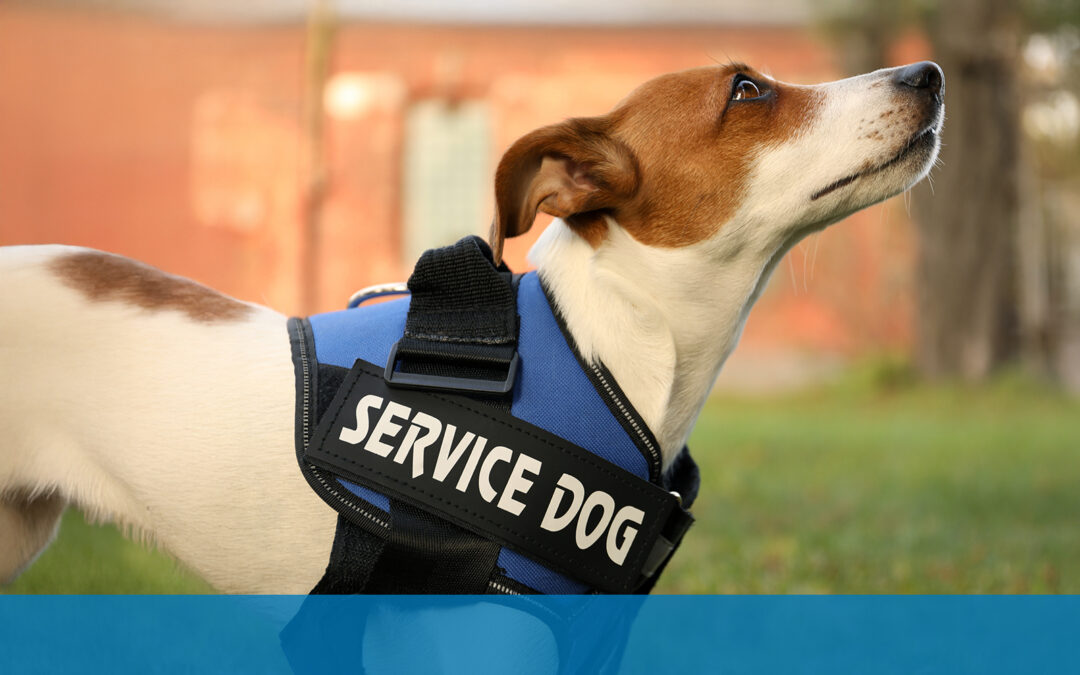
There was a time when I didn’t like them. I couldn’t understand the appeal, and I certainly didn’t get why people called them “man’s best friend.” To me, they were just animals, nothing more.
But all of that changed.
It wasn’t a dramatic moment. No lightning bolt, no big revelation. Just day after day of loyalty, humor, and unconditional love staring me in the face. These little creatures didn’t care about my flaws or failures. They didn’t judge me, and they didn’t hold back. They just wanted to be close.
And over time, their faithfulness broke me down. It softened places in my heart I didn’t even realize had hardened. Suddenly, I understood why God gave them to us—not just as part of His Creation, but as part of our healing.
A guide dog weaving through busy streets with their human in tow.
A psychiatric service dog sensing the storm of panic minutes before it hits.
A diabetic alert dog nudging their partner awake in the middle of the night to save their life.
A veteran carrying wounds, finding comfort in a faithful ball of fur that knows just when to lean in.
These aren’t small things. They are glimpses of God’s grace in everyday life.
When the world points out our disabilities, they see wholeness.
When society whispers limitations, they see possibilities.
They don’t see brokenness. They see someone worth loving, protecting, and walking beside. Their eyes look up at you as if to say, “You are the best thing ever in my life.”
And isn’t that a reflection of how God sees us?
In a world that races past quiet miracles, they remind me that the greatest healing often comes in the smallest gestures: a nudge of a nose, a warm presence, a love that asks for nothing in return.
Looking back, I realize my dogs taught me something profound. Their loyalty showed me what selfless love looks like in the flesh. And it leaves me with one question:
If a dog can love that way, why can’t we?
“And out of the ground the Lord God formed every beast of the field… and brought them to Adam.” Genesis 2:19–20


