
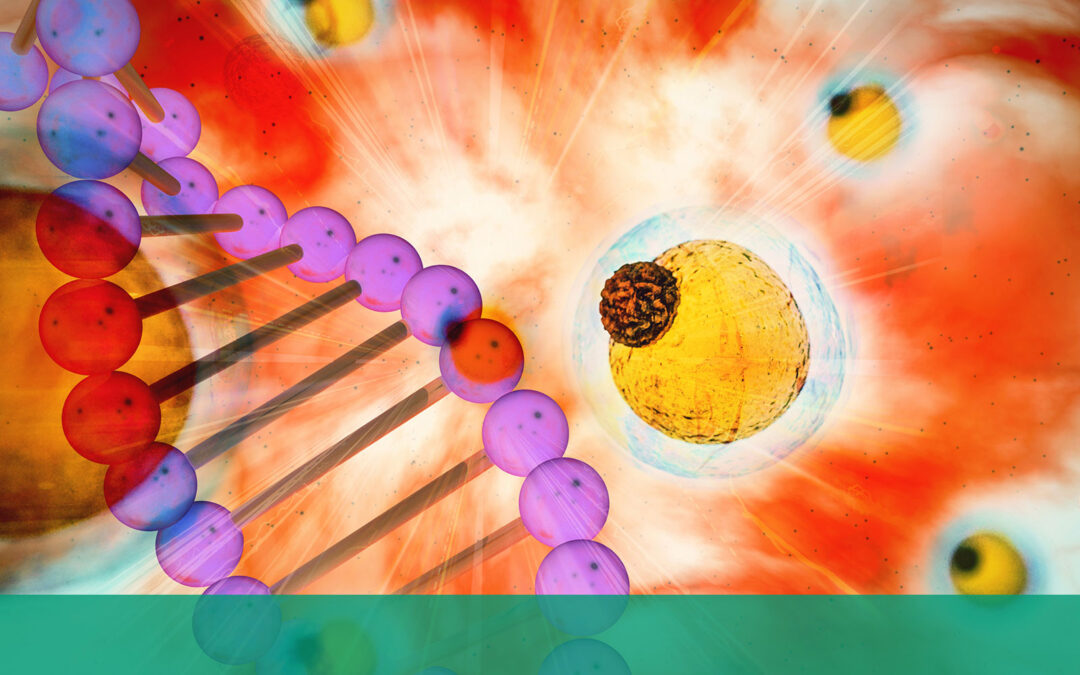
Gaining weight in the form of fat comes in two ways: more and bigger.
More refers to the fact that we can grow more fat cells. They increase in number, but stay about the same size.
The second way we gain fat is by enlarging the size of fat cells. They literally get bigger.
Interestingly, fat cells that increase in number are typically healthier fat. It’s the big guys that we can be scared of. When they enlarge, fat cells become sick.
Sick fat? Yes, sick fat is fat that becomes dysfunctional and more likely to promote inflammation and disease.
Fat cells are not just brainless blobs of stored leftovers waiting for a time of famine to become useful to the body. They are little chemical factories that produce and release all kinds of compounds into the body. When fat is sick, it produces pro-inflammatory substances and other hormones that promote disease. Fat cells can grow 20 times larger than their original size in the lean state. We’re talking about something much more profound than doubling or tripling in size!
Why would the larger fat cells be the most problematic? Imagine you’re a fat cell. Your friend insulin has been feeding you and pouring more food into you for you to store. That’s nice and all, to a certain point. But it doesn’t stop. Insulin keeps on shoveling in more, and more—and more. You (the fat cell) are getting distended, bent out of shape, and uncomfortable; and you realize that you literally can’t handle anymore. So, you cut your ties with insulin. You no longer respond. You ignore insulin’s messages. You develop insulin resistance.
Have you heard of insulin resistance before? It’s what drives type 2 diabetes, hypertension, heart disease, infertility, non-alcoholic fatty liver, polycystic ovary syndrome (PCOS), elevated cholesterol, metabolic syndrome, etc. Insulin resistance can be initiated by different factors such as medicines, stress, lifestyle, elevated insulin levels, inflammation, sickness, etc. However, fat cell enlargement may perhaps be the most common factor.
Insulin resistance eventually leads to higher insulin levels. High insulin levels inhibit weight loss in the form of fat. A vicious cycle can develop where the weight gain causes higher insulin levels, and the higher insulin levels making it virtually impossible to lose weight.
Is weight loss impossible in this all-too-common reality? No. However, before we can see the numbers on the scale change, we must first lower insulin. This we will discuss next month.


